High MMA with Normal B12? Why the MMA Test is the Gold Standard for Deficiency
Wondering why your serum B12 is normal but your methylmalonic acid is high?
A high Methylmalonic Acid (MMA) level with a normal serum B12 result often indicates a functional B12 deficiency. This means that while there is B12 in your blood, it isn’t effectively getting into your cells. MMA is a more sensitive “gold standard” marker because it rises when cellular B12 is low.
Continue reading to find out why MMA is the gold standard for B12 deficiency.
This information is for educational purposes only. As with any medical advice, always check with your doctor or healthcare professional for personal and age-appropriate recommendations.
Let’s get started.
Want a copy of this article? Click here to download a copy.

Table of Contents
Key Takeaways
- MMA is the gold standard for B12 as it measures B12 activity at the cellular level.
- It identifies a “functional deficiency.” When B12 is low, Methylmalonic Acid (MMA) accumulates in blood and urine.
- Early detection reduces symptoms. Low B12 symptoms include neurologic, cognitive, fatigue, and oral inflammation.
Introduction: The Silent Gap in Vitamin B12 Testing
Traditional vitamin B12 blood tests often miss a B12 deficiency. If someone is taking a B12 supplement, B12 blood tests may appear normal (1). Introducing Methylmalonic Acid (MMA) as the “gold standard” for cellular B12 health.
The Biochemical Link: Why Does MMA Rise When B12 is Low?
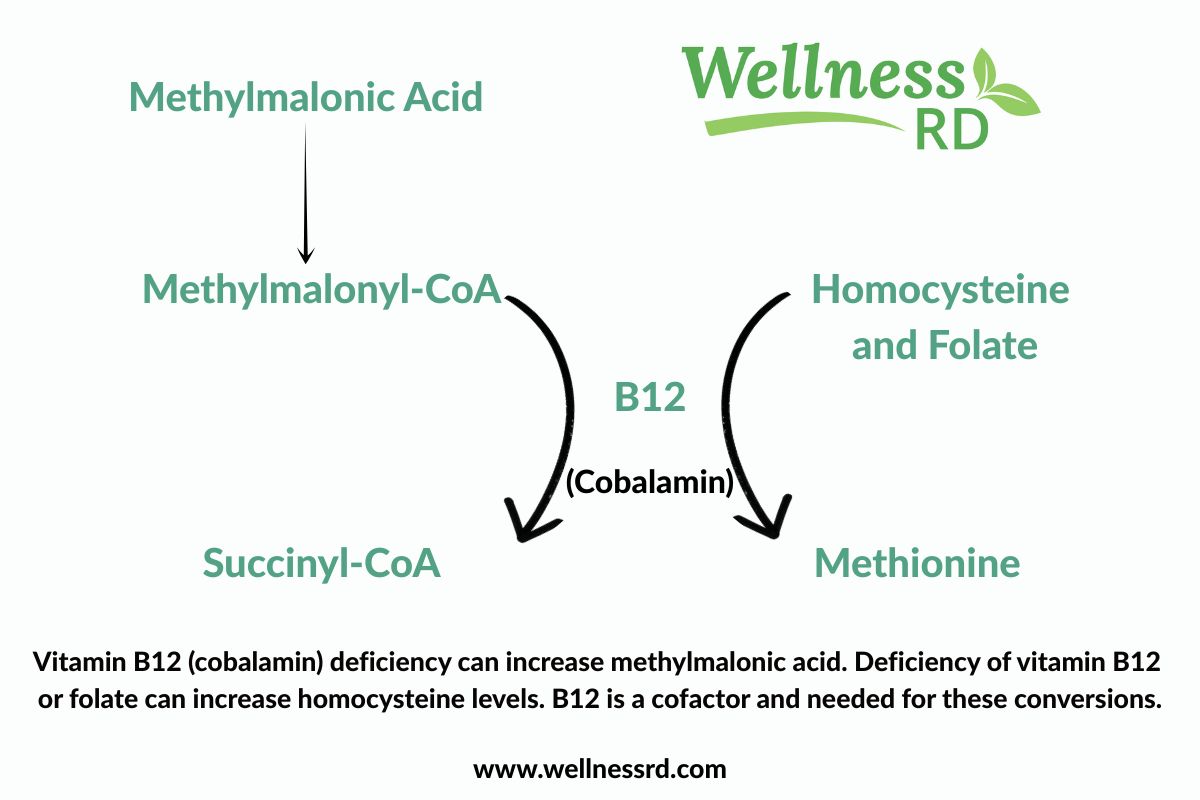
MMA is an organic acid produced when your body digests protein. There is a biochemical link between B12 and MMA. B12 acts as a cofactor to convert MMA into energy (2). When B12 is low, the conversion decreases, causing MMA to accumulate in the blood and urine. This accumulation may also happen to homocysteine if B12 or folate deficient.
Functional vs. Serum B12: Why Your “Normal” Serum Results Might Be Wrong
Serum B12 measures total B12, but not all of it is bioavailable to use in the body. MMA reflects “functional status”—whether your cells are using the B12 you have.
There are several key factors in play with B12.
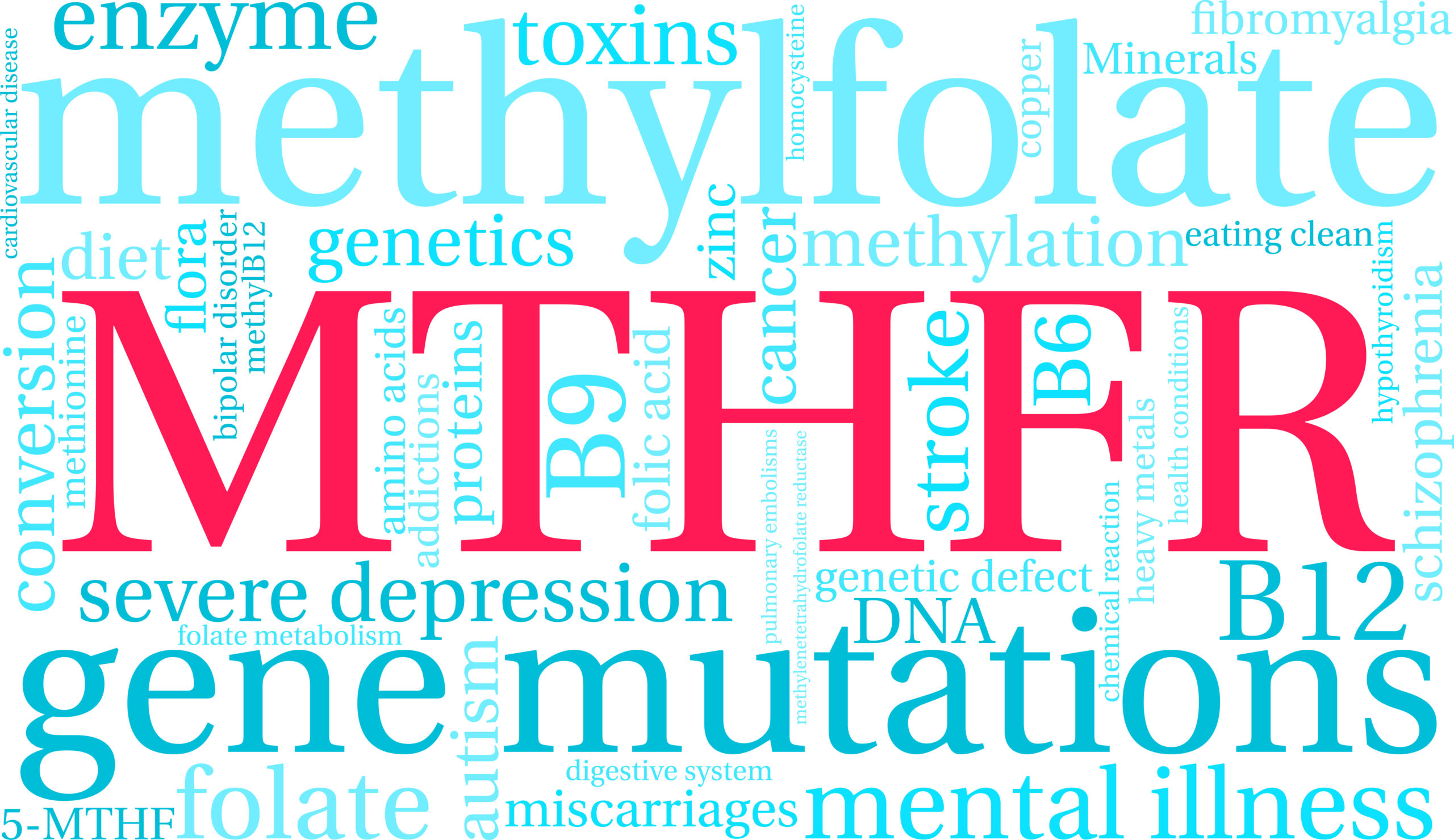
- Genetic variations in B12 transport (e.g., MTHFR or TCN2).
- Inactive forms of B12 circulating in the blood.
Four Warning Symptoms of Elevated MMA and B12 Deficiency
Nerve and Muscle Warning Signs
- Paresthesia: Often described as a “pins and needles”, a prickly sensation, or numbness in the hands and feet.
- Gait Instability: Difficulty with balance when walking (3).
- Muscle Weakness: Your arms and legs may feel heavy.
Brain and Mental Health Impacts
- “Brain Fog” & Memory Loss: Difficulty concentrating.
- Mood Disturbances: Increased irritability, anxiety, or symptoms of depression linked to B12’s role in brain health (4, 5). Maintaining adequate B12 reduces the risk of Alzheimer’s disease.
- Sleep Disruptions: Insomnia or altered sleep-wake cycles.
Physical Energy
- Megaloblastic Anemia Fatigue: Exhaustion caused by the body producing fewer red blood cells that cannot carry enough oxygen (6)
- Shortness of Breath: Feeling winded even after minor physical exertion.
Oral and Skin Conditions
- Glossitis: A swollen, smooth, or “beefy red” tongue that may feel painful or sore.
- Mouth Ulcers: Recurrent canker sores or inflammation of the mouth lining.
- Skin Pallor: A pale or slightly yellowish color to the skin.
Clinical Reference Ranges May Vary by Lab
| Age Group | Normal MMA Range (nmol/L) | Key Consideration |
| Ages 2–59 | 55–335 | Baseline standard |
| Ages 60–79 | 69–390 | Higher due to natural aging |
| Ages 80+ | 85–423 | May be influenced by kidney function |
*Note: Ranges increase with age due to changes in kidney function (7, 8, 9).
Lifestyle and Medical Factors Affecting MMA Levels
- Factors That Raise MMA (Risk Factors):
- Vegan/Vegetarian diets (lack of natural B12 sources) (10). Animal products are the main source of B12.
- Chronic alcohol use decreases absorption (change in the gut microbiome).
- Athletes often overlook vitamin B12, which is part of the citric acid cycle for energy (I remember from my biochemistry days). High-intensity exercise increases B12 requirement and turnover. There are also losses through sweat and increased urination.
- Medical Conditions: Crohn’s disease, Celiac disease, and Pernicious Anemia can cause decreased absorption due to damage in the gut.
- Medication Interference: Certain medications including Metformin for diabetes (may see reduced absorption of B12), PPIs for acid reflux (stomach acid is important to release B12 from food), and H2 Blockers (same effect as PPI’s but less) (11).
How to Read Your MMA Lab Report
- Normal Serum B12 = may be normal however, if B12 drops, MMA usually rises.
- High MMA + High Homocysteine = Likely B12 deficiency.
- High MMA + High Creatinine = Potential reduced kidney function.
- Normal MMA + High Homocysteine = Possible folate deficiency.
- Complete Blood Count (CBC) – you may see a decrease in red blood cell production and high MCV (red blood cell size)
- Intrinsic Factor Antibodies – can help determine if MMA is high due to pernicious anemia
B12 Food Sources and Supplements
The best B12 rich food sources include animal products such as red meat, dairy, fish, and eggs (12). If you are vegan or vegetarian, you may be at higher risk for a B12 deficiency.
B12 supplements are available in several forms, including:
- Methylcobalamin
- Adenosylcobalamin
- Hydroxocobalamin
- Cyanocobalamin (synthetic form-least desirable)
My preference with clients is a sublingual lozenge. See my previous blog on B12 and Sleep for more information.
Next Steps
MMA is the most sensitive marker for catching B12 issues early.
Consult a provider for a full B12 panel (serum B12, MMA, homocysteine and active B12 also known as holotranscobalamin) (13, 14).
Read more from my blog here.
© Amy Archer RDN, CLT, CHWC